
Your best dispatcher assigns loads quickly with exceptional on-time delivery. Her replacement takes significantly longer and delivers inconsistently. Without a standardized truck dispatch workflow, this variability becomes a process problem rather than a training problem. The expertise exists, but it lives in individual heads rather than documented workflows your entire team can execute.
Standardization has become one of the most effective methods to optimize supply chain operations by ensuring all departments follow consistent procedures that directly impact delivery speed and accuracy.
When truck dispatch workflows lack documentation and consistent decision criteria, operations become vulnerable to individual variation, whether prioritizing driver preferences, minimizing deadhead miles, or using customer relationships. This variability undermines operational consistency and creates service quality gaps during staff transitions or high turnover.
The Financial Case for Optimized Truck Dispatch Workflows
The trucking industry operates under intense financial pressure. According to the American Transportation Research Institute's 2025 analysis, the average cost of operating a truck in 2024 was $2.260 per mile, with non-fuel operating expenses reaching $1.779 per mile, the highest ever recorded. The truckload segment operated at a negative margin of -2.3%.
In this environment, every load assignment affects fuel consumption, equipment utilization, driver productivity, and customer retention.
Structure Your Dispatch Workflow for Consistent Load Assignment
Effective load assignment moves beyond first-in, first-out queuing to multi-variable optimization. The best dispatch operations evaluate loads against a consistent framework that systematically considers driver state, load compatibility, route efficiency, and dynamic conditions.
The following table outlines the core evaluation criteria dispatchers should apply to every load assignment decision:
| Evaluation Category | Key Factors | Purpose |
|---|---|---|
| Driver State Analysis | Real-time availability, location, hours of service compliance | Ensures drivers are legally and operationally available |
| Load Compatibility Matching | Vehicle capacity, cargo type, equipment specifications | Validates equipment can handle the freight |
| Route Efficiency Optimization | Geographic proximity, backhaul opportunities | Minimizes deadhead miles and maximizes asset utilization |
| Dynamic State Management | Real-time traffic, weather, schedule changes | Enables proactive response to changing conditions |
| Timing Requirements | Pickup windows, delivery commitments, transit time expectations, appointment flexibility | Creates hard constraints that eliminate unsuitable matches early |
| Equipment Specifications | Trailer type requirements, weight restrictions, dimensional constraints, special equipment needs | Narrows the qualified driver pool |
| Geographic Considerations | Origin and destination locations, deadhead miles to pickup, backhaul opportunities, driver domicile proximity | Completes the operational picture for assignment decisions |
The key is documenting these criteria explicitly through standardized evaluation frameworks. When every dispatcher uses the same evaluation framework with consistent load assignment decision criteria, standardized documentation requirements, and uniform communication protocols, you eliminate the variability that comes from individual judgment calls.
Datagrid's Automation Agent can execute these documented load assignment criteria consistently across all dispatchers, ensuring your best practices become standard execution whether it's 2 PM on Tuesday or 3 AM on Sunday.

Optimize Your Truck Dispatch Workflow with Dynamic Routing
Route optimization has evolved from plotting the shortest path to incorporating dynamic, real-time data integration. Despite proven benefits, many operations still rely on static route planning. Static planning without dynamic adjustment can create operational inefficiencies when unexpected conditions arise.
How VRP Algorithms Enable Dynamic Optimization
Modern approaches use Vehicle Routing Problem (VRP) algorithms, a foundational technique that accounts for traffic patterns, weather impacts, delivery urgency, time windows, and vehicle capacity simultaneously. Recent advances integrate real-time data to handle travel time and energy consumption uncertainty, enabling continuous route recalculation based on live conditions.
Consider a dispatcher managing a 15-truck fleet across a metro area. Static planning assigns routes at 6 AM. By 9 AM, a highway closure adds significant time to three routes. With dynamic optimization, the system automatically:
- Recalculates affected routes based on live traffic conditions
- Reassigns two pickups to nearby drivers with available capacity
- Alerts the dispatcher only to the one exception requiring customer communication
From Reactive Adjustments to Proactive Exception Management
Without dynamic optimization capability, dispatchers spend significant time manually checking routes against live traffic data. This time compounds across multiple drivers and shifts. The operational shift moves from reactive adjustments to proactive exception management.
Dynamic systems continuously recalculate routes and identify potential issues before they become service failures, rather than rerouting after problems occur.
Building Workflows Around Real-Time Data
For dispatchers, this means building workflows that incorporate real-time data including GPS tracking, traffic updates, weather alerts, and customer schedule changes. Route optimization technology can deliver substantial cost reductions in transportation costs. Technology alone doesn't create results, though.
Dispatchers need workflows that tell them when to trust automated recommendations, when to override them, and how to escalate decisions that exceed their authority.
Standardize Carrier Selection to Protect Service Quality
For operations using third-party carriers, selection criteria directly impact service consistency. Carrier vetting is a critical responsibility that, when done correctly, can significantly enhance service quality and customer relationships.
This table outlines the core evaluation criteria for carrier selection:
| Evaluation Category | Key Factors | Purpose |
|---|---|---|
| Federal Compliance Verification | Active MC and DOT numbers, FMCSA safety ratings, appropriate insurance coverage, operating authority age | Establishes baseline qualification |
| Performance Metrics | On-time delivery rates, service consistency, reliability history | Separates qualified carriers from preferred carriers |
| Capacity and Coverage Alignment | Equipment availability, geographic service areas, scalability for volume fluctuations | Ensures carriers can handle your freight |
| Cost Efficiency | Cost per mile, claims ratios | Validates financial viability and risk exposure |
Standardize how your dispatchers evaluate and select carriers using a scoring system based on that table.
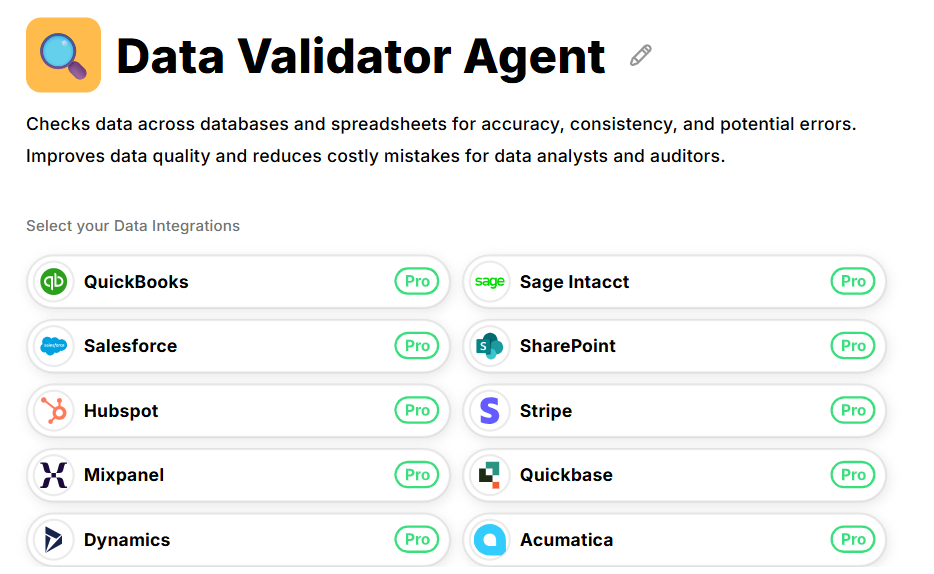
Datagrid's Data Validator Agent can apply consistent scoring criteria across every carrier evaluation, ensuring documented standards execute uniformly rather than relying on dispatcher memory or preference.
Handle Real-Time Constraints Without Breaking Service Standards
Truck dispatch workflows face constant disruption from traffic delays, equipment breakdowns, driver illness, customer schedule changes, and weather events. Structured exception management separates operations that maintain service quality from those that struggle.
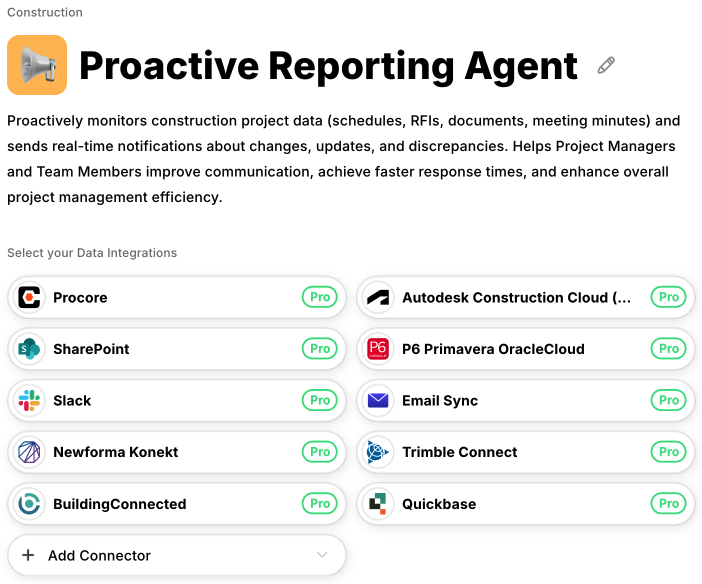
Automated detection identifies issues before they escalate. Systems that flag late loads, missed stops, or route deviations enable proactive response rather than reactive firefighting. Datagrid's Proactive Reporting Agent can monitor shipment status continuously, detecting exceptions such as delayed pickups, route deviations, and approaching HOS limits before they become service failures.
Escalation protocols define decision authority through structured workflows that detect exceptions early and route them intelligently. Clear guidelines specify which decisions dispatchers can make independently, which require supervisor approval, and which need immediate customer communication.
AI agents can automatically escalate exceptions based on documented protocols. When a delivery runs 30 minutes behind schedule, the agent determines whether that triggers customer notification based on service tier rules. Well-structured exception workflows can lead to faster resolution times while helping teams maintain SLA compliance.
Exception documentation supports operational continuity. Structured exception handling combined with documented resolution processes enables organizations to build institutional knowledge about recurring issues.
Where AI Agents Fit Into Truck Dispatch Workflows
The challenge with dispatch workflow standardization lies in ensuring consistent execution across every dispatcher, every shift, and every load. While many distributors are exploring AI use cases, very few have developed implementation roadmaps.
For operations exploring AI-enabled workflow automation, the underlying technology architecture matters. Platforms built on agentic AI principles represent a shift from decision support to workflow execution, where AI agents execute documented workflows rather than simply providing recommendations.
Datagrid has pioneered this agentic approach for document-intensive workflows, and the same architectural principles apply to dispatch operations by codifying decision criteria, automating routine evaluations, and ensuring documented procedures execute consistently.
Automating Load Assignment Decisions
For load assignment, AI agents can evaluate incoming loads against documented criteria, match qualified loads to available drivers based on established rules, and surface only decisions requiring human judgment.
AI agents don't replace dispatcher expertise. They ensure documented workflows execute consistently whether it's 2 PM on Tuesday or 3 AM on Sunday.
Managing Exceptions and Escalations
For exception management, AI agents can monitor shipment status continuously against defined thresholds, automatically escalating issues based on documented protocols. When a delivery runs 30 minutes behind schedule, AI agents can determine whether that triggers customer notification based on service tier rules.
Standardizing Carrier Scoring
For carrier selection, AI agents can automate carrier scoring and selection based on standardized evaluation frameworks, applying consistent criteria across every load rather than relying on dispatcher memory or preference.
Coordinating Cross-Team Communication
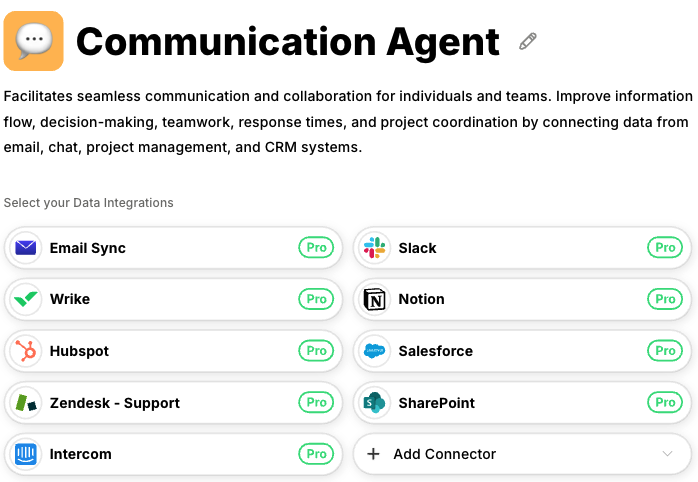
For communication and coordination across dispatch teams, Datagrid's Communication Agent facilitates information flow between dispatchers, drivers, and customer service teams, ensuring status updates, schedule changes, and exception alerts reach the right people based on documented escalation protocols.
Build Your Truck Dispatch Workflow Implementation Path
Designing truck dispatch workflows that balance speed, cost, and service quality requires three parallel efforts.
- Document current state variations. Interview your best dispatchers about their decision criteria, evaluation workflows, and exception handling approaches to capture expertise that currently exists only in individual heads. Document not just what they do, but why. The reasoning behind decisions reveals patterns that standardized workflows must preserve. Create templates that standardize how loads are evaluated, how carriers are scored, and how exceptions are escalated.
- Define standard operating procedures. Convert documented expertise into explicit workflows with clear decision criteria, evaluation frameworks, and escalation protocols. Include specific handling rules for common scenarios such as what to do when a driver's HOS runs out mid-route, how to prioritize competing urgent loads, and when to accept a load with tight margins versus holding for better opportunities. Start with a single lane or customer segment before expanding. Pilot programs reveal workflow gaps before they affect your entire operation.
- Measure outcomes systematically. Establish baseline metrics using industry-standard KPIs including strong on-time performance, high order accuracy, strong first-attempt delivery rates, strong capacity utilization for fleet efficiency, and driver performance metrics. Without systematic measurement, you cannot distinguish genuine improvement from perception. Track metrics weekly during implementation, then transition to monthly reviews once workflows stabilize.
Standardize Your Truck Dispatch Workflows with Datagrid
Datagrid's AI agents help transportation operations turn documented dispatch workflows into consistent execution:
- Automated load assignment evaluation: AI agents evaluate incoming loads against your documented criteria, matching qualified loads to available drivers based on established rules while surfacing only the decisions that require human judgment.
- Continuous exception monitoring: Datagrid's Proactive Reporting Agent tracks shipment status against defined thresholds, automatically detecting delays, route deviations, and HOS concerns before they become service failures.
- Consistent carrier scoring: AI agents apply standardized evaluation frameworks to every carrier selection, ensuring compliance verification, performance metrics, and capacity alignment criteria execute uniformly across all dispatchers.
- Cross-team communication coordination: Datagrid's Communication Agent routes status updates, schedule changes, and exception alerts to the right people based on documented escalation protocols, keeping dispatchers, drivers, and customer service teams aligned.
- Workflow standardization at scale: Whether it's 2 PM on Tuesday or 3 AM on Sunday, AI agents ensure your best dispatch practices become the baseline for your entire operation.
Create a free Datagrid account to start building dispatch workflows that execute consistently across every load and every shift.